Table Of Content

When considering platelet rich plasma therapy, choose a surgeon with significant experience performing the procedure. Friends, family members or an internist or primary care doctor are often helpful in suggesting the best surgeon. Because PRP injections are intended to promote healing or growth, you may not notice an immediate difference after receiving the injections. However, in several weeks or months, the area may begin healing faster or growing more hair than you would have expected if you hadn’t received PRP injections. Platelet rich plasma (PRP) is a substance that’s thought to promote healing when injected.
How do trees and green spaces enhance our health?
PRP can be combined with other hair loss treatments including topical or oral minoxidil, oral finasteride, hair transplants, and supplementation with Viviscal Professional. Platelet-rich plasma (PRP) therapy for hair loss is a minimally invasive treatment that uses a person’s own blood to promote hair growth. PRP injections are rich in proteins called growth factors, which may stimulate dormant hair follicles when injected into the scalp, encouraging hair regeneration. Also known as autologous platelet rich plasma this treatment is not yet widely available. At The London Skin and Hair Clinic we utilise clinical photography to measure results from the treatment.
The Skinny
Minimize the use of high-heat styling tools, hair extensions and harsh treatments like perms. Avoid hairstyles like tight buns and braids that pull on your scalp, potentially causing traction alopecia. It’s usually genetic, but it can also be triggered by diseases or disorders that attack the hair follicles. There is generally an induction phase which consists of three monthly treatments followed by maintenance treatments every three to six months. PRP is a revolutionary hair restoration therapy for some patients, but experts say there are still limitations and unknowns.
PRP Treatment Gallery
And after the results start to appear, you’ll still need to get touch-ups at least once a year to maintain new hair regrowth. Viral hair loss products have been gaining media popularity, but can they help with alopecia? It also hasn’t been approved as a treatment by the Food and Drug Administration (FDA).

Between 10 to 60 milliliters (mL) of your blood is drawn, typically from your arm, and put into a centrifuge. This is a machine that spins rapidly to separate fluids of different densities. PRP therapy injects platelet-rich plasma cells into the affected area of your scalp. It works by drawing blood, processing it, then injecting it into the affected area. The report said the investigation showed how important it is to require infection control practices at businesses that offer cosmetic procedures involving needles.
As with all effective treatments for hair loss, discontinuing the treatment will result in hair loss. Generally, you will only use the hair that the treatment helped grow. Let’s get into what exactly the research says about the success rate for PRP treatment for hair loss, whether PRP has any side effects, and what results you can expect. Minimal side effects are one reason a new treatment called platelet-rich plasma therapy (also known as PRP) has been growing in popularity.
Exosome Therapy for Hair Loss Results - RealSelf.com
Exosome Therapy for Hair Loss Results.
Posted: Wed, 18 Oct 2023 07:00:00 GMT [source]
You’ll get the best results in combination with other medical treatment (including the use of minoxidil applied to your hair or taken by mouth, as well as finasteride taken by mouth). This treatment involves the collection of your blood in a special tube, which is then spun down using a centrifuge to separate the plasma and platelet portion using the separate gel as a special filter. The PRP portion of your blood is then used to re-energize your cells into rejuvenating themselves. Most people feel pressure during the treatment, with minimal to no pain. It can also be injected into aging skin, or it can be applied to the skin at the time of microneedling. Platelet rich plasm (PRP) is produced by taking the your own blood and placing it in a centrifuge to concentrate the platelets.
Individuals who are completely bald in the area of concern are not likely to experience any benefit. Patients with active skin conditions such as skin cancer or pre-cancer, as well as certain systemic diseases, should not undergo PRP. This is difficult to answer, as so many variables play a factor, and most have not been well studied. Available data suggests that at least 30–50% of patients will experience some benefit.
Platelet-Rich Plasma Injections What It's Like Getting PRP Injections Into The Knee as a Skier - SnowBrains
Platelet-Rich Plasma Injections What It's Like Getting PRP Injections Into The Knee as a Skier.
Posted: Fri, 15 Dec 2023 08:00:00 GMT [source]
The authors of an additional review of clinical studies, which the International Journal of Women’s Dermatology published, considered PRP to be a “promising” treatment for hair loss, based on their findings. In 2019, a team of researchers carried out a systematic review of the research on PRP as a treatment for hair loss. Platelets are a component of blood, along with red and white blood cells. When a person sustains a cut or wound, the platelets are some of the body’s “first responders” that arrive to stop the bleeding and promote healing. Results have been seen in patients with androgenetic alopecia and with alopecia areata and is suitable for men and women.
Physicians began using PRP therapy about a decade ago to speed up the healing process in damaged joints after injury or surgery. Treatments are typically performed once a month for the first three to four months, and then every three to six months thereafter, depending on the individual patient's response and results. Following this protocol, anticipated results can first be seen within two to three months, says Sadick.
An innovative practice for hair loss called Platelet Rich Plasma (PRP) Injections is gaining popularity for its track record of results without the need for surgery or harsh chemicals. Platelet rich plasma comes from your own blood and contains concentrated growth factors that naturally stimulate hair growth, often providing results within just a few months of treatment. PRP therapy has been used for decades for wound and injury healing, but it is a relatively new treatment for hair loss. Recent research suggests that while not everyone is a candidate, PRP injections can increase hair growth and hair density in people with hereditary hair thinning or baldness. As with almost all non-surgical treatments for hair loss, the best candidates are those with thinning hair rather than complete baldness and for those who have experienced more recent hair loss.
Patients are advised not to wash their hair or scalp for 24 hours following treatment. Most people find the treatment isn’t painful, however if there is some discomfort paracetamol can help. Talk to your provider before starting PRP therapy to discuss the total cost of treatment and ask about any potential financing options or payment plans they may offer. Check with your insurance provider to determine if your plan covers PRP sessions.
The cost of PRP is quite variable and can be as little as $400 or as much as $1,500 or more per session. Comparing costs is difficult, as the equipment used and any additives have a significant impact on the cost to the provider. The skill and experience of the provider are also critical to success.

However, famous athletes have been known to use these injections to help heal injuries. Plasma is a component of your blood that contains special “factors,” or proteins, that help your blood to clot. Platelet-rich plasma (PRP) is a substance that’s thought to promote healing when injected. Finally, at Nazarian Plastic Surgery we have an on-site, state of the art surgical facility, as well as modern and comfortable out-patient treatment suites. These added benefits help ensure that we meet our goal of achieving the most natural-looking and optimal results, while always keeping your safety first.
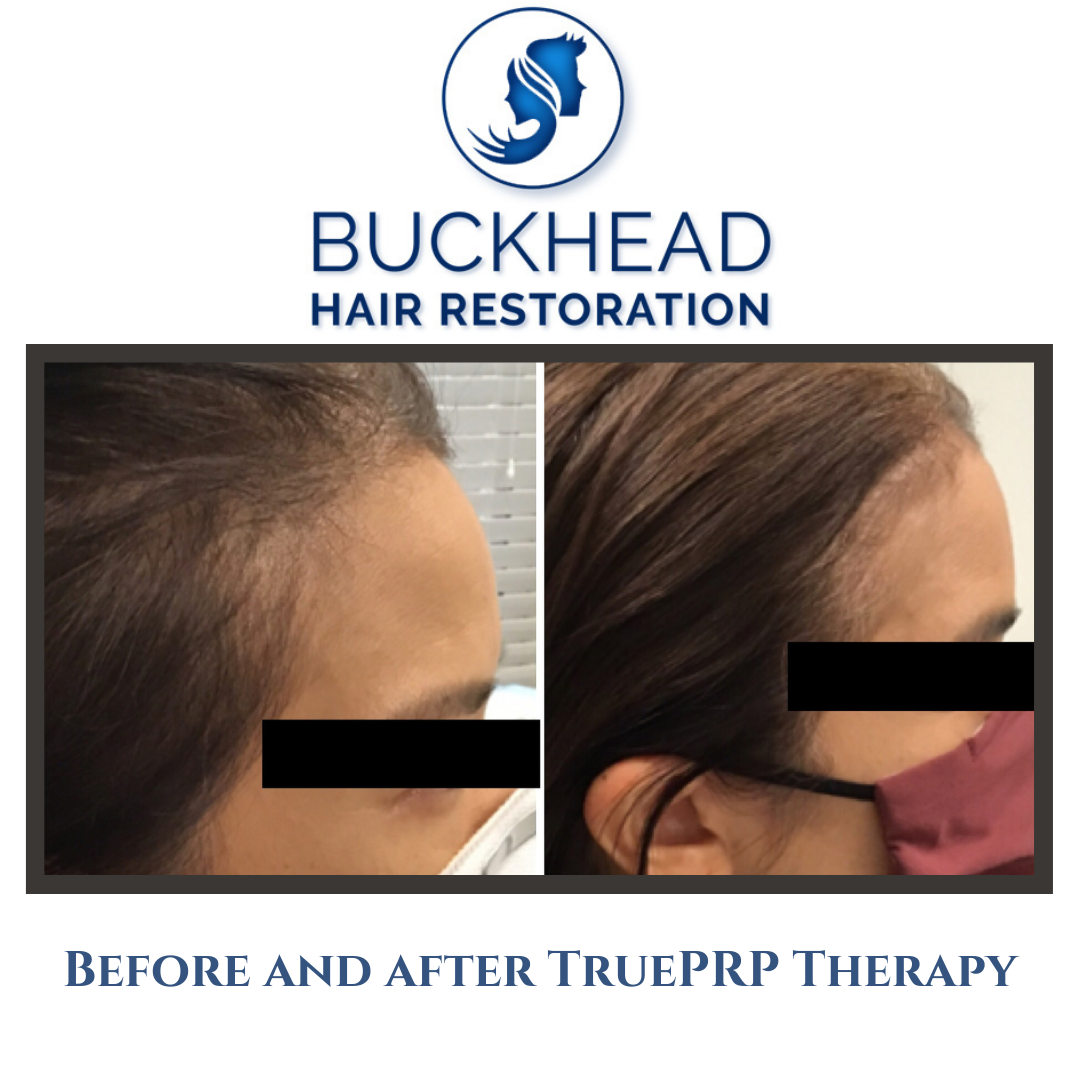
What you probably haven't heard of is that there's a similar treatment for hair loss, and yes, it requires your blood, too. A common program is one treatment session each month for three months, followed by a booster session every six months. Your practitioner will discuss your recommended treatment program and its rationale. Here’s an example of a person who saw successful results from PRP injection treatments for hair loss.



No comments:
Post a Comment