Table Of Content
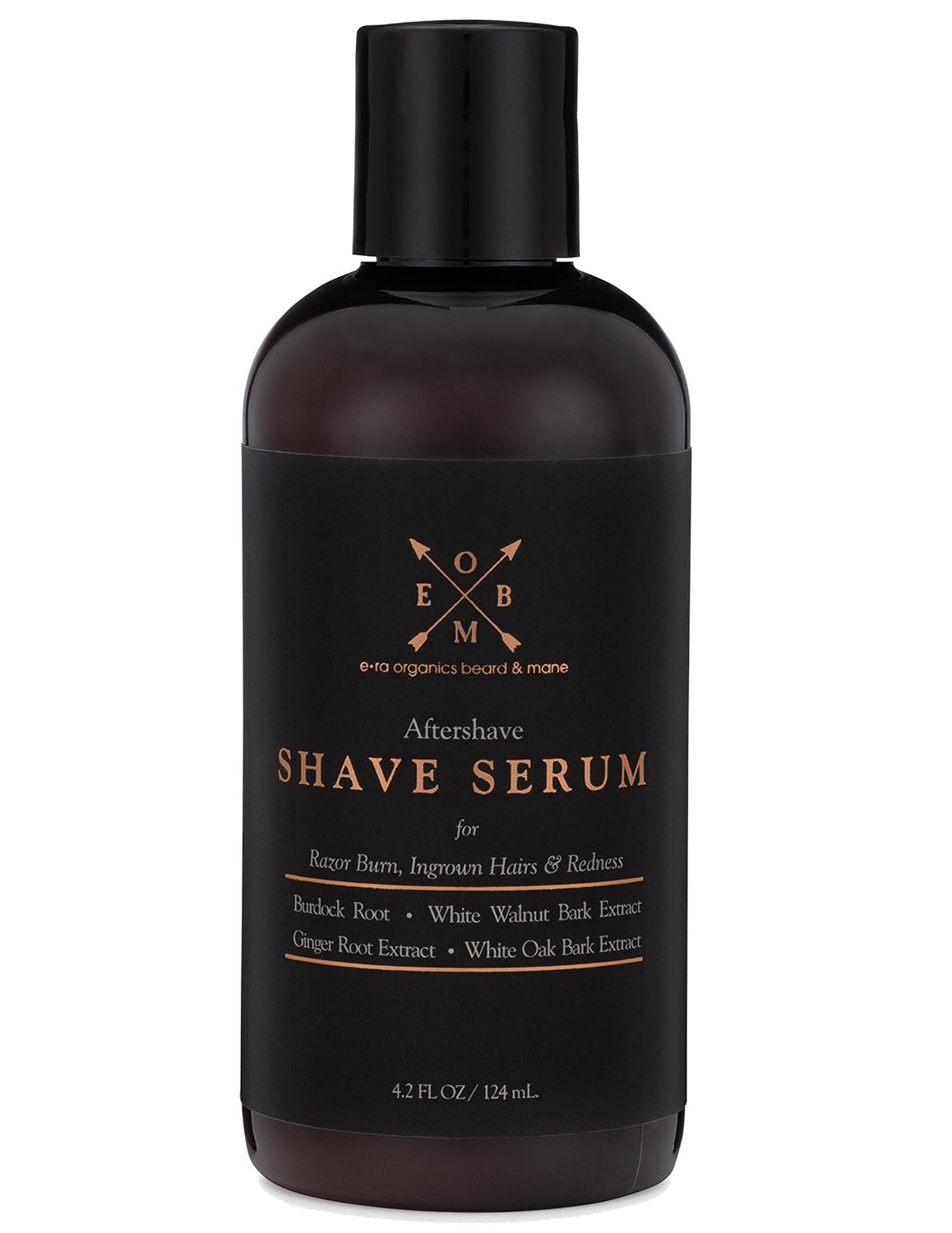
While we picked this as a great treatment for your legs, it can be used all over the body to help prevent ingrown hairs. Not only does this bottle have a very sleek and attractive design, but it has also been dermatologist tested to show its effectiveness in preventing ingrown hairs. There are various application methods for ingrown hair treatments, including creams, gels, and serums.
When to See a Healthcare Provider
Consider springing for a box of Dr. Gross's Exfoliating Body Treatment if you want to pull out the big, exfoliating guns. The abundance of packaging isn't the most eco-friendly, but the single-use packets certainly are convenient. Those looking for a wallet-friendly product that addresses existing ingrown hairs and prevents more from forming with similar efficiency to more expensive products will appreciate this topical solution. Not only are ingrowns uncomfortable, but they can also leave behind redness and irritation that can be difficult to treat with acids. This serum uses nourishing oils to tackle both issues without further irritating the skin.
Metyou Ingrown Hair Oil
We like that it kicks dead skin to the curb and is pH-balanced for your most delicate areas. Other key ingredients are meant to reduce the severity of razor bumps, redness, and irritation that can show up after a close shave. One of the more effective blends of soothing key ingredients is in the Bliss Ingrown Hair & Razor Bump Eliminating Solution which combines oat and green tea extract. Several ingrown hair treatments contain ingredients that can dry your skin out and shouldn’t be worn in direct sunlight. This sweetly scented Truly Beauty Glazed Donut shave oil is quite the opposite with hydrating properties.
BLISS Ingrown Hair & Razor Bump Eliminating Solution
An OB-GYN Gets Real About Vagina Facials and Being Smooth Down There - Healthline
An OB-GYN Gets Real About Vagina Facials and Being Smooth Down There.
Posted: Wed, 14 Mar 2018 07:00:00 GMT [source]
A red, raised, (often painful) bump, ruining the landscape of your otherwise flawless skin. Ingrown hairs happen, but before you reach for the tweezers or get to squeezing, read this. We asked top dermatologists for their best advice on how to get rid of ingrown hair, and, more importantly, how to prevent these pesky bumps from cropping up in the first place.
Whether you've recently shaved your armpits or attempted a DIY bikini wax, as the hairs start to grow back, you may notice an unwanted ingrower. Ingrown hairs are common, especially if you remove your hair on a regular basis. Dermatologists weigh in on the safest way to get rid of ingrown hair—plus, how to prevent them from happening in the first place. It can be tempting to pop an ingrown hair, especially if you can see a pustule around the hair follicle. You’re also more likely to have ingrown hair if you have skin of color or thick, coarse or curly hair.
How are ingrown hairs treated?
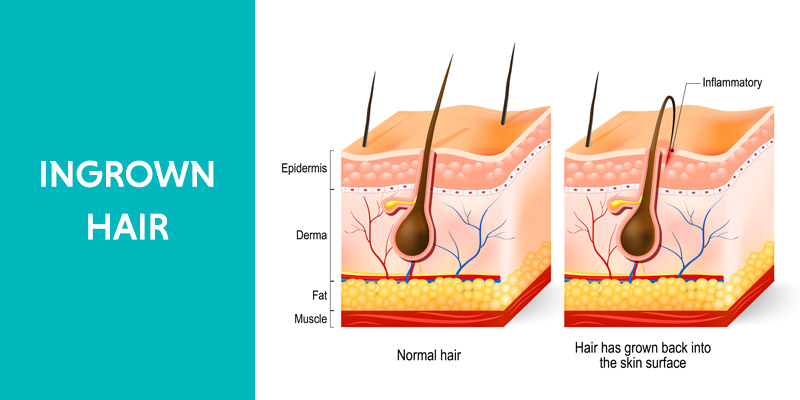
Exfoliating creams may help treat and prevent ingrown hairs by shedding the upper layer of skin so the trapped hairs can break through. While applying sunscreen will not heal ingrown hairs, Dr. Bailey notes that protecting a healing ingrown hair from sun exposure will help prevent hyperpigmentation. “A pure mineral sunscreen should be applied daily if the area can’t be covered by clothing,” she suggests. Dr. Bailey prefers mineral-based sunscreens as they’re “less irritating to sensitive skin and wounds than chemical sunscreens.” This one from Blue Lizard protects skin from sun exposure without causing irritation. “Ingrown hairs happen when a hair can’t find its way out of the follicle,” says Dr. Bailey. “It has a white side for lighter exfoliation and a blue/green side for a heavier exfoliation.” Make sure to let your sponge dry completely between uses so infection-causing microbes don’t make it their home.
Smooth this oil wherever your hair grows (i.e., pubic area, underarms, chest, legs, and even the face) daily or right after shaving, waxing, or laser hair removal to calm irritated skin. You'll want Tend Skin Solution on your side in the battle against razor bumps. This toner-style product uses topical aspirin (acetylsalicylic acid or ASA) to soothe the skin, unclog hair follicles, and calm inflammation. We should note, however, that this product contains alcohol, which could sting if you have cuts, open sores, or pustules.
Neutrogena Oil-Free Acne Wash
Sometimes, dead skin can clog a hair follicle, which forces the hair to grow sideways under your skin rather than up and out. If you cut naturally curly hair too short, the sharpened end of the hair can pierce your skin, causing an ingrown hair. If your ingrown hairs aren’t going away with at-home treatments and a good skincare routine, or if you’re ingrown hairs become infected, call your healthcare provider.
We also love that it's only made with natural ingredients including shea butter and, of course, turmeric, which brightens skin. It contains organic sugar, which works as a physical exfoliant to slough off dead skin and fend off ingrown hairs. It comes with a wooden scoop which we don't think is the most convenient for in-shower use and storage—you can just use your fingers if you prefer, though. If there's one drugstore brand you can trust on your journey to smooth skin, it's Gillette. Since the 2001 launch of its Venus line, our legs have been ever-silkier, so it's no surprise this gentle exfoliant is one of the best options for preventing ingrown hairs.
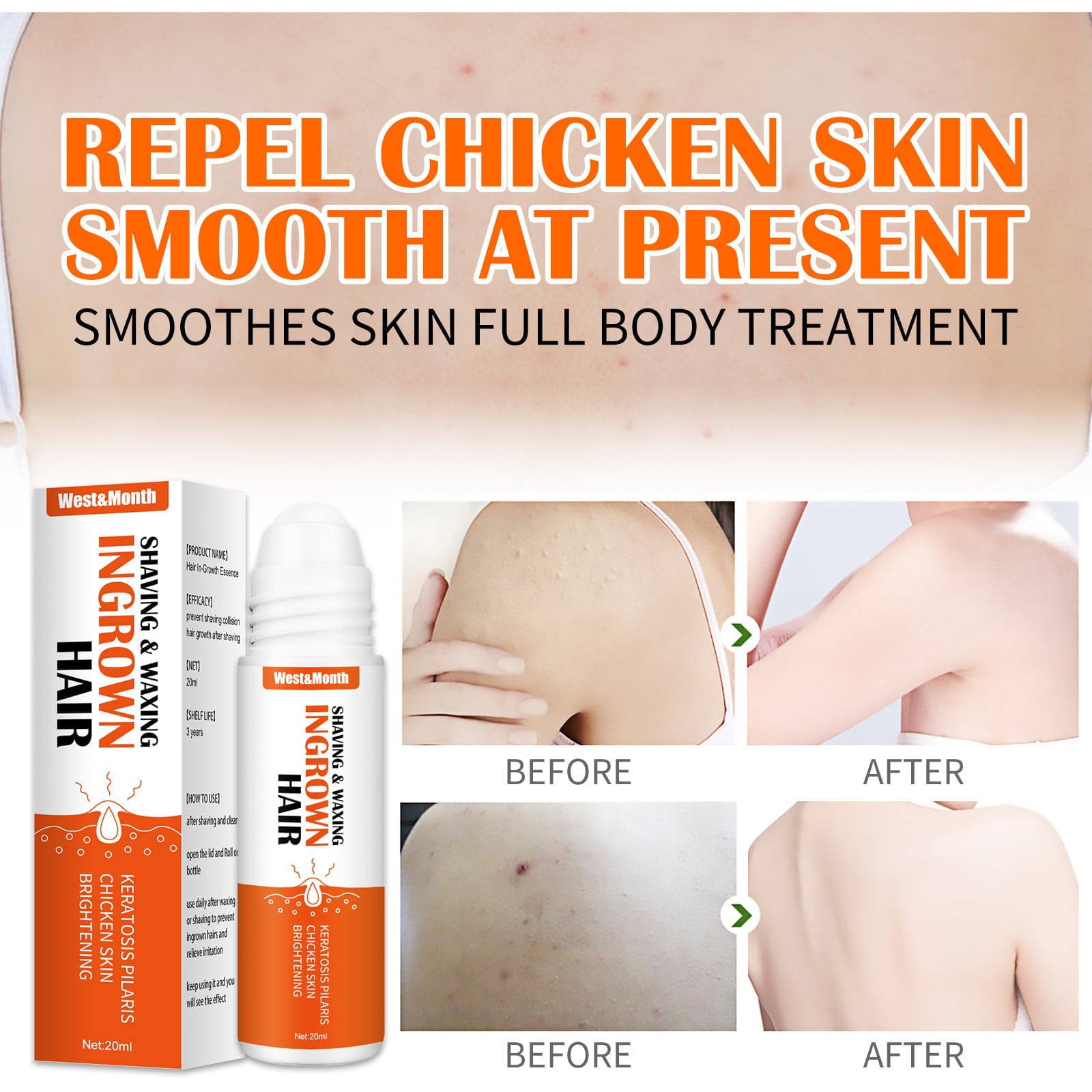
Consider which method is most convenient for you and fits into your daily routine. Some products may require more time and effort to apply, while others may be more user-friendly. Overall, we highly recommend Sielkin Razor Bump Stopper to anyone who is tired of dealing with painful and embarrassing ingrown hairs and razor bumps. With its natural, botanical approach, you can finally say goodbye to irritation and hello to smooth, healthy skin.
We talked to experts about how to treat ingrown hair at home and how to know when you should see a dermatologist. Experts also shared tips about how to prevent ingrowns, who may be more prone to them and why popping them is the worst thing you can do. If you aren’t a fan of chemical solutions, a scrub brush is an effective and typically less expensive method of ingrown hair removal. What makes this particular treatment one of our favorites for the body is how easy it is to apply—no need for cotton balls or scrubs.
This after-shave oil contains coconut to treat and soothe the skin and features scent notes of grape, lavender, and passion fruit too. It can be used in the shower (just before adding conditioner) or applied to damp skin right after getting out of the shower. It is recommended to apply a quarter-size amount to the impacted area and rub it into the skin in a circular motion.
Sephora reviewers swear by it, and one reviewer who had ingrown hairs along her bikini line and under her armpits loves that it treats sensitive areas without irritation. After one swipe, we're betting you couldn't get enough of these powerful peed pads. They're formulated with a blend of glycolic, lactic, and salicylic acids to buff away even the most stubborn ingrown hairs. Ashley Phillips, our former beauty editor, says “they 100% live up to the hype,” and are gentle enough to use daily.
Dr. Chacon notes that you lower the chances of hair growing into the skin by using lotions and products that contain glycolic acid. I use Billie’s Ultimate Skin Solution to both treat and prevent ingrowns. I usually spray it on my underarms or legs between shaves and on ingrown hairs when they pop up. The spray contains salicylic acid and aloe vera to dissolve built-up dead cells while calming the skin, according to the brand. I find that the spray bottle makes this solution easy to apply to large and small patches of skin, and it dries quickly.
You can also try other hair removal methods that are less likely to lead to ingrown hairs. Those include creams that dissolve hair and a laser or electric current (electrolysis) to remove the hair follicle for good. This removes a dead layer of skin cells and helps release ingrown hairs. Make small, circular motions to wash the affected areas with a washcloth, exfoliating brush, exfoliating gel, or scrub. It’s a strand of hair that grows back into your skin after shaving, tweezing or waxing.



No comments:
Post a Comment