Table Of Content
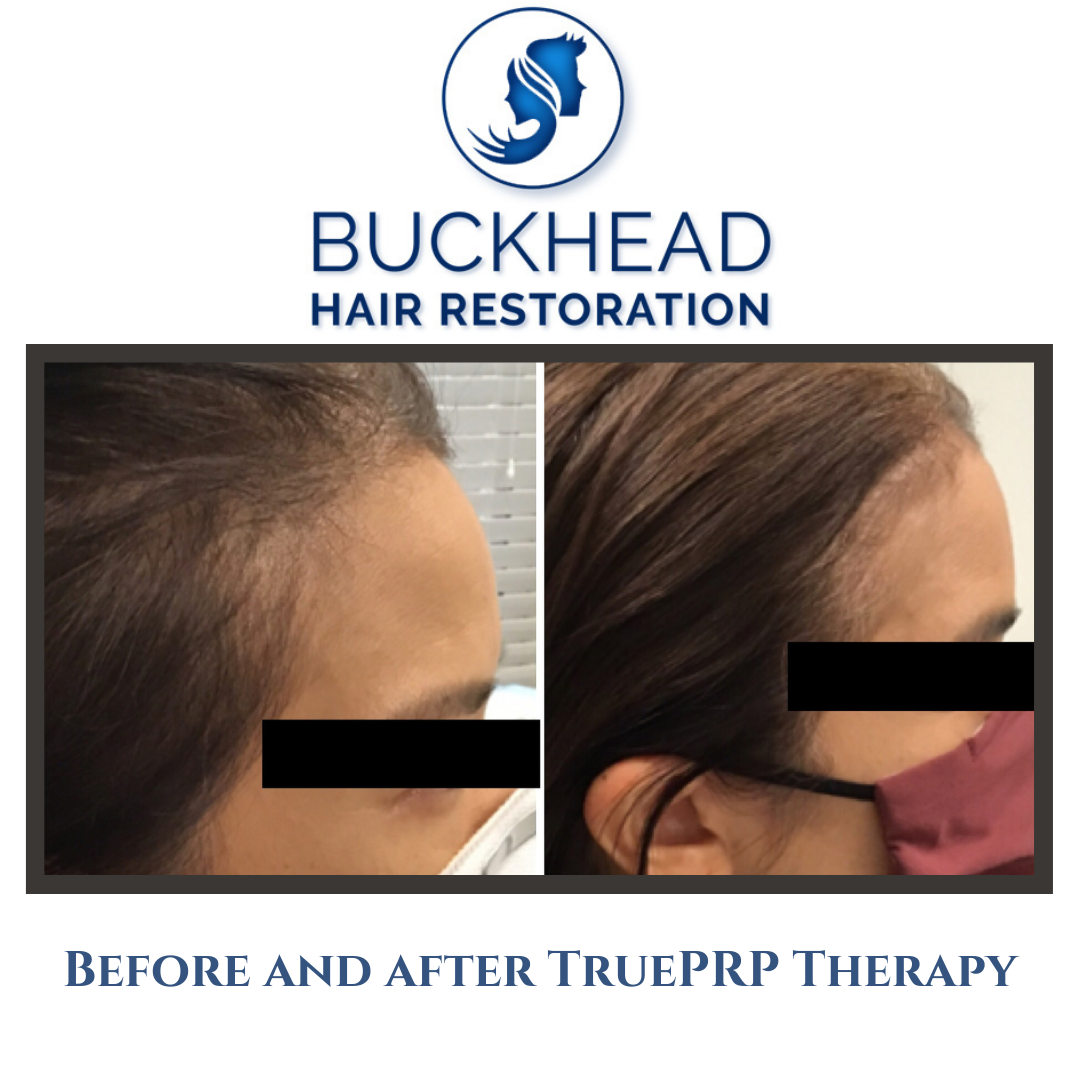
He’ll treat most patients every month for three treatments and then recommend patients get a maintenance injection at six months. In dermatology, we primarily use it for hair loss disorders (androgenetic alopecia). If you’re dealing with male- or female-pattern hair loss, you have a variety of treatment options at your disposal.
Articles on Health
Because the tissue growth factors are more concentrated in the prepared growth injections, researchers think the body’s tissues may heal faster. The ideal candidate for a PRP injections for hair loss treatment has early stages of hair loss, and is seeking a minimally invasive procedure. PRP injections for hair loss are not recommended for those with thrombocytopenia, hemodynamic instability, hypofibrinogenemia, or hair loss due to stress, medications, or medical treatments. PRP therapy is a treatment for hair loss that may help promote and maintain hair growth. That said, PRP therapy is expensive and may not be safe for everyone. A 2021 review of 15 studies — including several large randomized control trials that are the gold standard for medical research — found that laser therapy increased hair count in both men and women.
The Stages of Melanoma and Skin Cancer Prevention
The procedure is relatively painless and requires zero recovery time. But it takes a few months to see results and it can be expensive, costing as much as $1,500 per treatment. PRP injections are a non-surgical hair loss treatment for hair restoration, hair follicle health, and scalp hair growth.
Australia's Hair & Skin Science is at the Cutting Edge of Modern Hair Loss Treatment - Man of Many
Australia's Hair & Skin Science is at the Cutting Edge of Modern Hair Loss Treatment.
Posted: Tue, 27 Feb 2024 08:00:00 GMT [source]
Free Healthbeat Signup
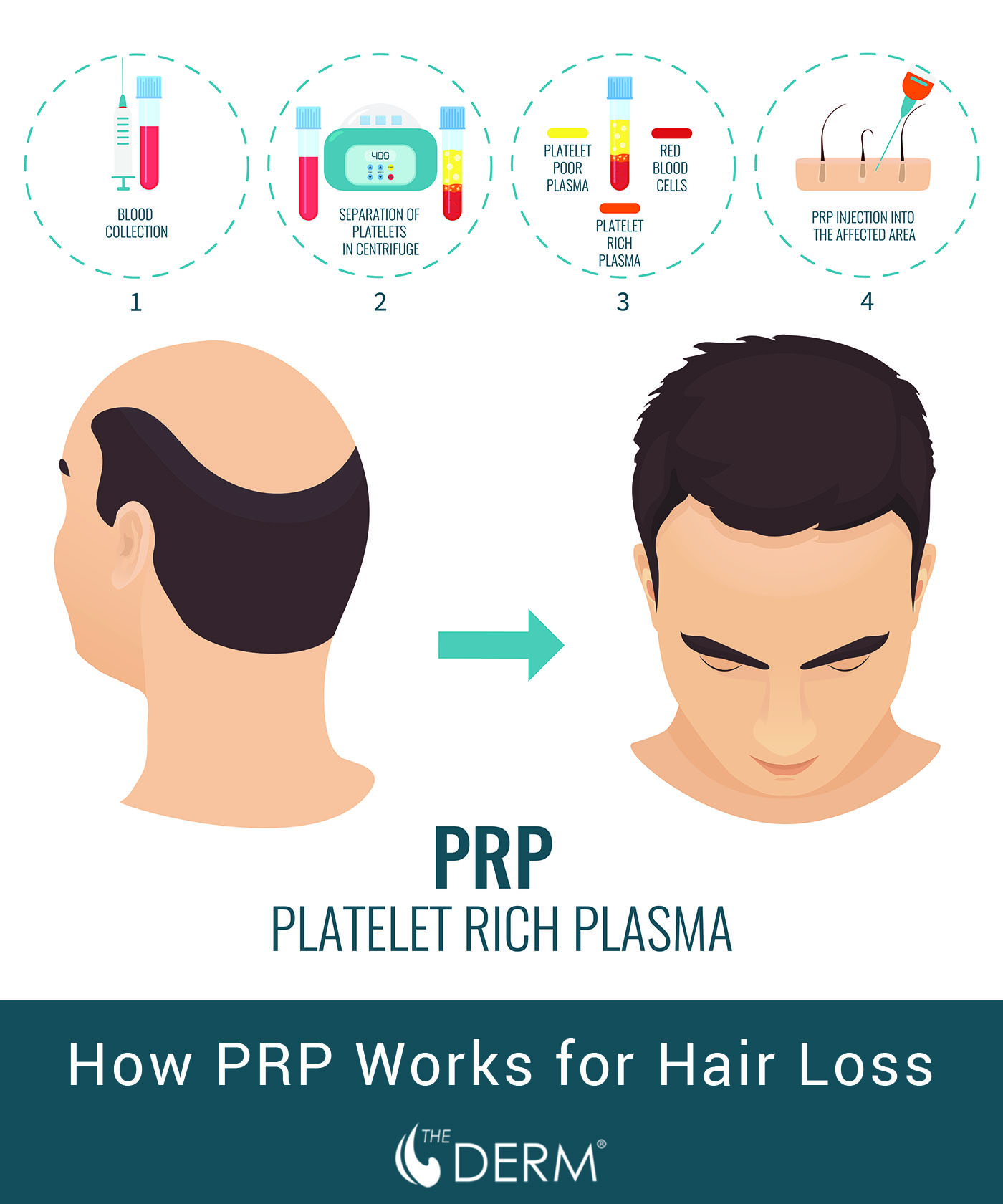
PRP contains a range of growth factors and proteins that speed tissue repair. As some types of hair loss result from damage to hair follicles, researchers initially hypothesized that PRP could help regrow hair by reversing the process that occurs in androgenetic alopecia. PRP therapy is not a onetime solution; most people require several sessions to achieve visible hair regrowth. The number of sessions can vary, but providers typically recommend three to four PRP sessions spaced four to six weeks apart for optimal results.
What are Platelet Rich Plasma (PRP) Injections?
Some private insurance companies may cover PRP therapy for people with certain medical conditions, such as alopecia areata. Medicare and Medicaid only cover PRP therapy for healing chronic pressure or venous wounds in people with diabetes. Though PRP to treat hair loss is relatively new, research has been promising.
Most people need several sessions of PRP to see results and require ongoing maintenance sessions every six to 12 months. PRP therapy is usually not covered by insurance, so you may need to pay out-of-pocket. A downside to PRP therapy for hair loss is that treatment is expensive and rarely covered by medical insurance. It’s important to note that not many insurance companies cover PRP therapy for hair loss. If you have insurance, speak with your provider to see whether they cover it. If you don’t have health insurance, the PRP therapy’s doctor’s office might offer payment plans or reduced fares for self-payers.
What makes you a good candidate for PRP therapy?
According to the FDA, “off label” means that while the drug or therapy is approved, it’s not approved for the use or diagnosis that your doctor may be recommending. In these cases, the FDA has determined that the drug’s potential benefits may outweigh its risks. Your doctor may recommend an approved drug for an unapproved use if he or she thinks it may be helpful to you, and if you’ve exhausted all other treatment options. Patience is key; it may take several sessions and at least three months to see improvement. To learn if you’re a good candidate for Plasma therapy for hair loss, contact your Advanced Dermatology and Cosmetic Surgery providers.
It is frustrating that no protocol standardization exists, and none is likely to exist in the future. The cost of properly studying all the variables is prohibitive, and we are thus left to arrive at our own best practices. In my practice, I have a cost-centric approach, meaning if I can effectively treat a patient’s hair loss for $10 per month, which is possible with minoxidil and finasteride, then I do so. For patients that do not respond to those treatments, I then offer PRP and other more expensive modalities, and that often takes place 6 to 12 months after our first visit. Hair loss can be a devastating condition, so above all, each patient must find a doctor that he or she feels comfortable with during what will be a very long journey.
Rural jails turn to community health workers to help the newly released succeed
The treatment uses a patient’s own blood cells to accelerate healing in a specific area. Platelet-rich plasma (PRP) therapy may help address hair loss by stimulating hair regrowth and thickening hair in people with hereditary hair loss. While the treatment is safe and effective, more research is needed to confirm its long-term efficacy. PRP therapy is not a cure for hair loss, and the results can vary from person to person.
Without insurance coverage, you will pay out of pocket for PRP therapy. The average price of an individual PRP session is $717, though costs can vary depending on the provider, your geographic location, and the number of sessions required. The removal process is generally not painful, but the injection process, depending on the site, can be painful. This pain can be reduced by applying topical analgesics prior to injections or the use of distraction techniques (applying vibrations to sites during the procedure).
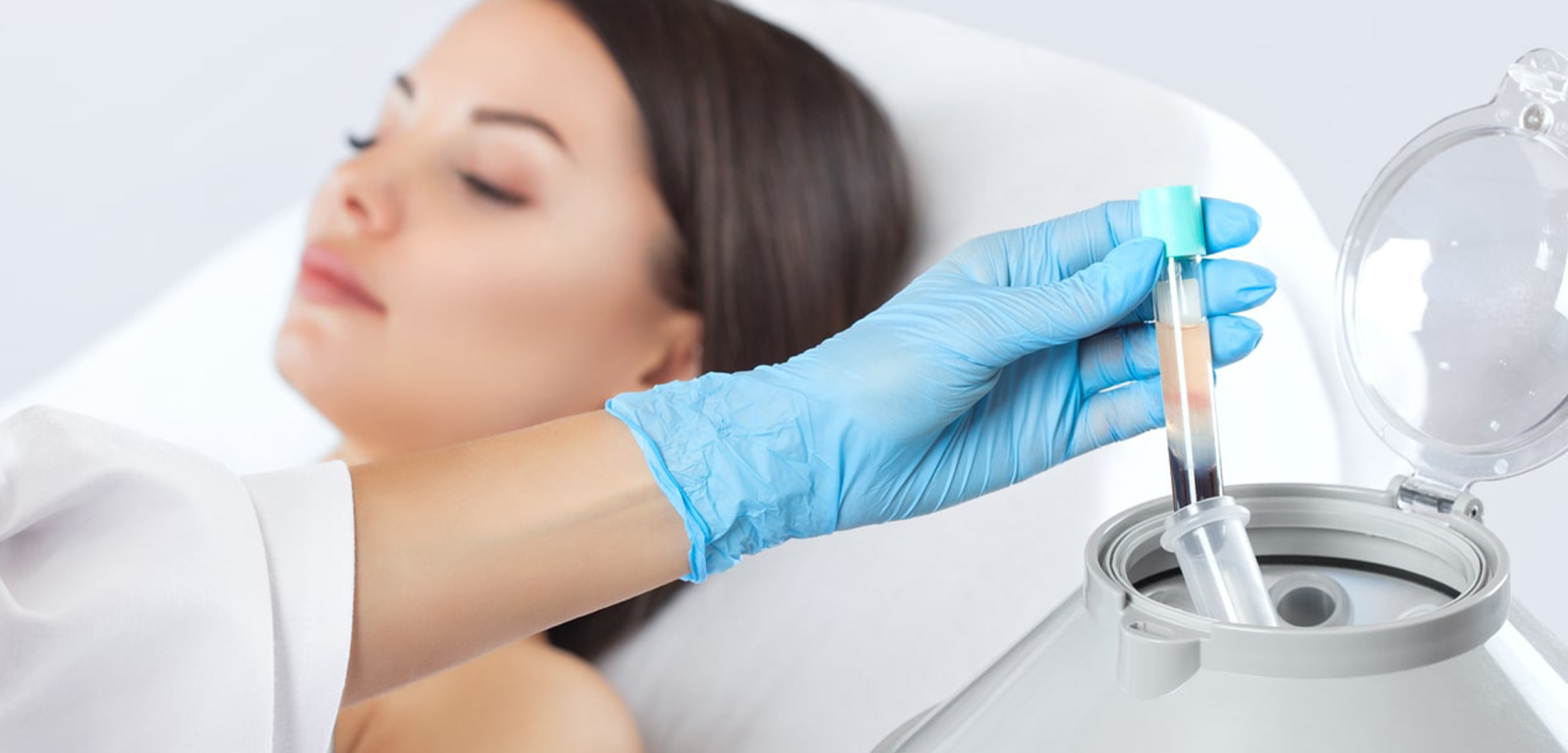
In women, this might look like a widening part with normal hair thickness at the back of the head. Platelets are blood-cell fragments that are critical to normal blood clotting function and that also contain several different growth factors. Growth factors are proteins that signal the body to generate specific tissues, such as blood vessels and skin, after an injury, as well as many other functions. With PRP, blood from a patient is centrifuged into separate layers, including red blood cells, plasma, and a buffy coat layer where all the platelets are concentrated.
There is no procedure that can produce long, thick, dense hair in the recipient zone as well as surgical hair restoration. PRP can be an effective adjunctive treatment for patients undergoing surgery, or using pharmacologic therapy or photobiomodulation therapy. As a practitioner offering PRP treatments for over a decade, I have seen many successes and many failures.
If you often wear a hairstyle like braids or a tight bun that puts prolonged strain or stress on the hair follicle, that can cause a type of permanent hair loss called traction alopecia. Dr. Bauman says he has learned that adding extracellular matrix to PRP injections tends to enhance PRP results, including duration of the hair growth results. Studies show that PRP works best as a treatment for androgenetic alopecia (AGA). Up to 50% of all women will experience noticeable hair loss in their lifetime, often deeply affecting their self-esteem and confidence.
You can also use ice or take a pain reliever after the procedure (but avoid NSAIDS). Dr. Sclafani, who uses PRP as a hair restoration option for some patients in his practice, says there’s some scientific proof and good anecdotal evidence that PRP works. After four PRP treatments, they had about 30% more growth in thinning areas.


No comments:
Post a Comment